
By Neill Marshall, Chairman, HealthSearch Partners and Kurt Mosley, Associations Practice Leader, HealthSearch Partners
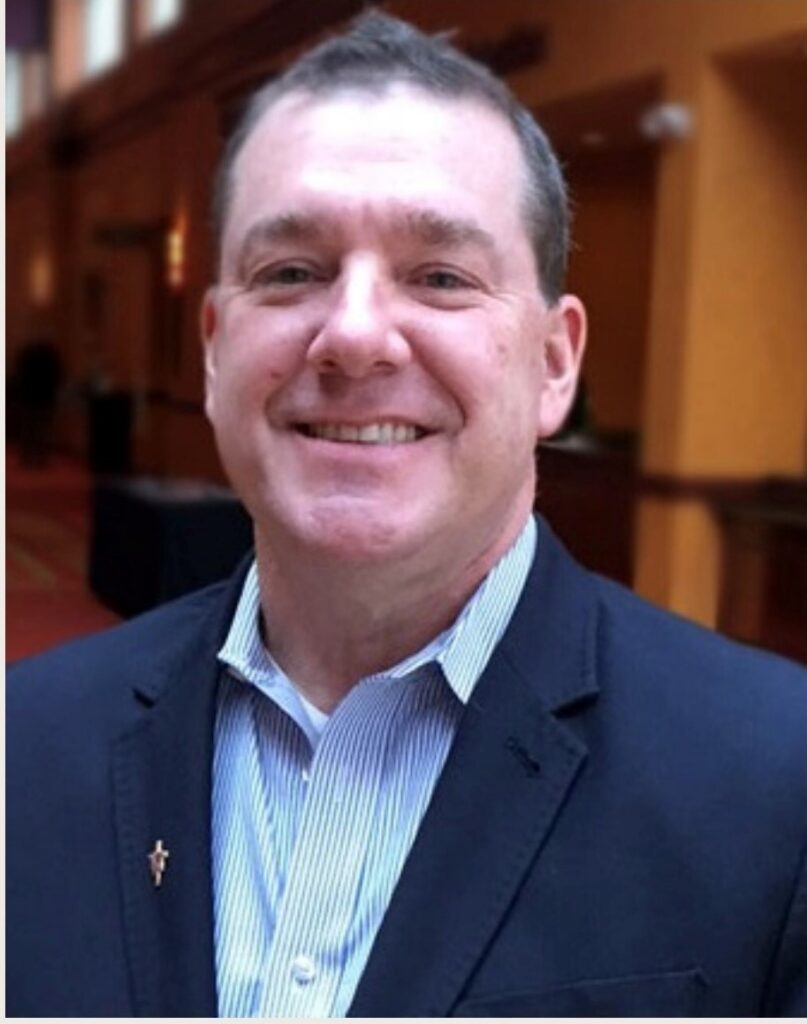
Terence Farrell, MHA, FACHE, is President and Chief Executive Officer, Ozarks Healthcare, West Plains, MO. His 30+ year healthcare career has included senior leadership roles with healthcare organizations in Illinois, Kentucky, Connecticut, Florida, and Ohio.
As part of our ongoing series at HealthSearch Partners, we’re exploring the innovative first 90-day strategies employed by some of the most accomplished hospital and health system CEOs in the U.S. Today, we feature Terence Farrell, a CEO who harnessed the power of structured daily huddles to create transparency, foster problem-solving, and transform organizational culture from day one.
The Morning Huddle: Building A Foundation for Success
One of Farrell’s core tactics was implementing a structured morning huddle that brought together leaders and staff from across the organization. This wasn’t a typical meeting; it was a strategic, highly organized session open to all hospital staff, including physicians and other departments, that began each day with clarity and focus.
The agenda was straightforward yet impactful. Farrell would ask leaders to report key information such as the number of surgeries scheduled, current admissions, and any isolation cases. They would also address staffing challenges, equipment availability, and any potential barriers for the day. “The goal,” Farrell explained, “was to make sure everyone was prepared and equipped to handle what the day was going to bring.”
In addition to setting the day’s operational expectations, the huddle always ended on a positive note, highlighting recent wins, patient experience comments, or recognizing staff achievements. This daily practice not only aligned the team but also reinforced a culture of celebration and accountability.
Cultivating A Culture Of Ownership Through Layered Huddles
Farrell’s huddle approach didn’t stop at the leadership level. Employing a cascade effect, he encouraged department heads to take ownership to conduct their own huddles before the organization-wide session, creating a trickle-down effect of preparation and problem-solving. “For leaders to contribute effectively to the facility-wide huddle,” he noted, “they first needed to address challenges and opportunities within their own teams.”
This layered approach built a culture of personal accountability and ownership at all levels. Leaders began preparing with their teams beforehand, which led to a dramatic shift. Frontline staff started taking ownership of departmental issues, and solutions began to surface from within the ranks rather than being passed up the chain.
Rounding For Impact: Leaders In The Trenches
In addition to the structured huddles, Farrell enhanced their impact by implementing a rounding practice where leaders would regularly visit different areas of the hospital. He and his team divided the building, with each leader responsible for engaging directly with staff members in various departments. Farrell emphasized two goals for these rounds: acknowledging achievements and identifying roadblocks.
This approach fostered in-the-moment problem-solving. Farrell recounted a memorable example involving a shortage of IV pumps, where he coached his team through creative problem-solving to address the issue. “When I asked what they had tried, they told me they had borrowed pumps from other units,” he explained. “Then I challenged them to think about long-term solutions. This not only solved the immediate need but empowered the team to take the initiative.”
Farrell’s rounds also provided an opportunity to “manage up” staff members who were excelling. Recognizing and celebrating staff contributions became a cornerstone of the hospital’s evolving culture, boosting morale and fostering a positive workplace environment.
Discipline And Routine: The Power Of Structured Timelines
To ensure consistency, Farrell blocked out time from 7:00 to 9:15 each morning exclusively for the morning huddle, departmental rounds, and the facility-wide huddle. “We made it clear to managers they were exempt from any obligations or other meetings during the two-hour timeframe,” he explained. This disciplined approach allowed leaders to fully engage with their teams without the distractions of other meetings, reinforcing a focused start to each day. “Having a set schedule kept everyone aligned, prepared and ensured essential issues were addressed in a timely manner,” he noted.
This structure proved highly effective, streamlining operations and enhancing capacity across the organization. By improving efficiency, Farrell reported a 15% increase in patient discharges, which directly impacted hospital throughput and capacity to serve more patients without adding resources.
Transformative Outcomes: Real-World Impact
The impact of Farrell’s huddle and rounding approach has been transformative across multiple areas. For example, the hospital achieved an 80% reduction in Foley catheter days by embedding the monitoring of catheter usage into the daily huddle conversations. Length of stay also improved, dropping from 135% to 87% of the geometric length of stay. These metrics reflect the cumulative power of disciplined, daily engagement.
In another example, Farrell tackled restraint use by consistently addressing it during the huddles. The routine conversations led to a significant cultural shift, with restraint usage dropping by 95% as leaders found alternative, less restrictive ways to manage patient care.
Farrell also saw a boost in employee engagement and development. Staff who consistently engaged in problem-solving and participated in these structured huddles began emerging as natural leaders. “It’s amazing how giving people the opportunity to own solutions transforms them,” he said. “Several staff members have moved into leadership roles simply because they felt empowered to be part of the solution.”
Beyond The Huddle: A Blueprint For Organizational Transformation
Farrell’s 90-day strategy serves as a blueprint for healthcare leaders aiming to build a culture of accountability, problem-solving, and empowerment. By establishing disciplined huddles, fostering direct communication through rounding, and celebrating quick wins, he created a sustainable culture of engagement that translated into measurable improvements in patient care and operational efficiency.
In Farrell’s words, “The structure isn’t about micromanaging; it’s about creating a disciplined process that empowers people to solve problems independently and take ownership of their work.” His approach has not only improved key performance indicators but has also created a sense of shared purpose among staff, making his hospital a model of efficiency and engagement.
As Ivan Bartolome, CEO of HealthSearch Partners, aptly stated, “The first 90 days are more than just a transition period; they are a foundation for transformative change.” Farrell’s approach exemplifies how intentional, structured engagement can make a lasting impact, setting the stage for sustained success in healthcare leadership.
Stay tuned for more insights from visionary leaders redefining the playbook for their first 90 days in healthcare.
If you have adopted this tactic, or any others featured in this series, we’d love to hear from you. Please contact us to share your story.